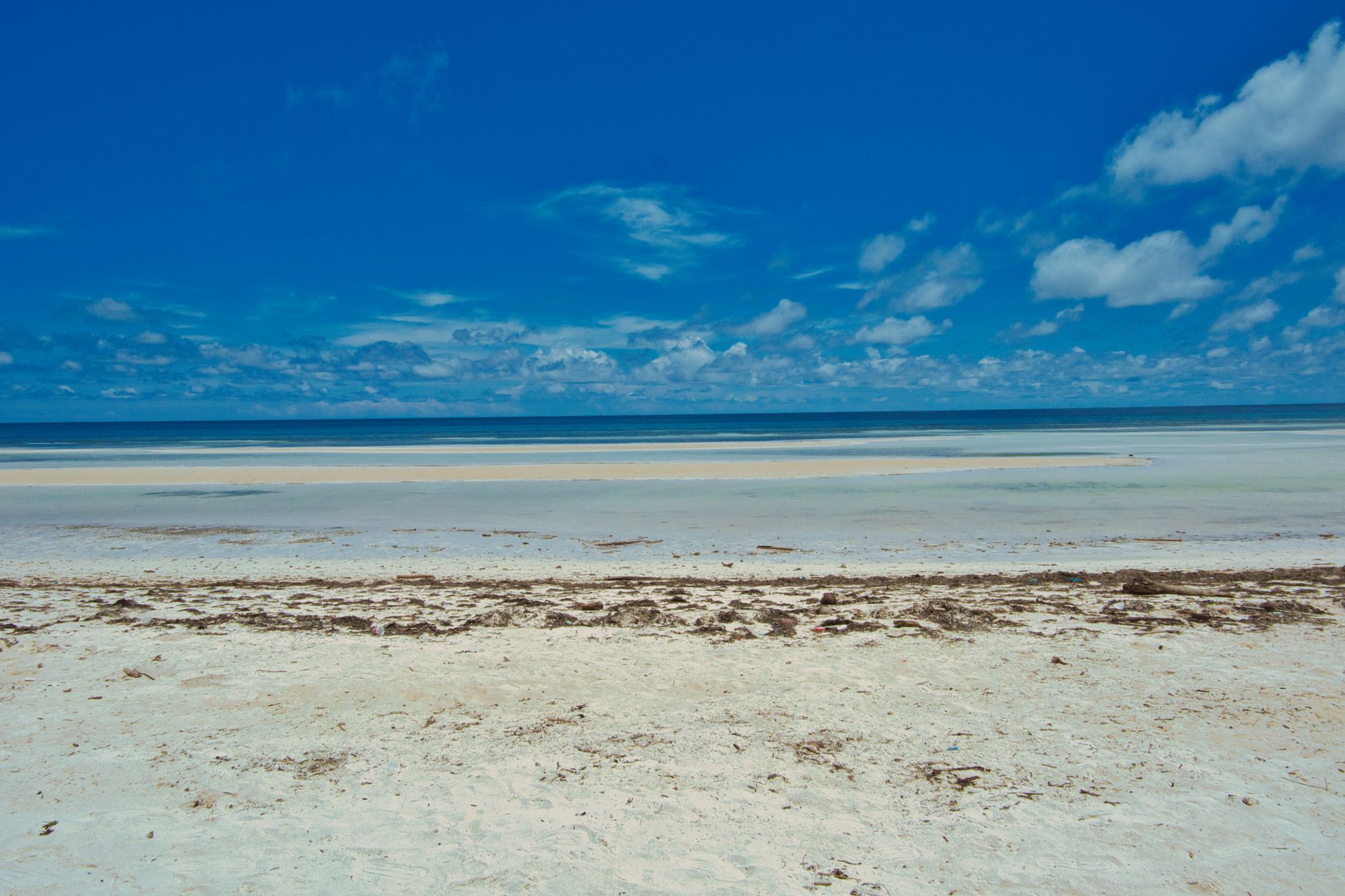
What Makes a Diani Beach Versus Lamu Holiday Different?
Choose Diani for a straightforward beach break with broad accommodation choice, water sports, restaurants, and easy access from Mombasa or Ukunda. Choose Lamu for historic Swahili culture, dhow travel, quiet beaches, and a slower, car-free island atmosphere. Diani feels convenient and active; Lamu feels distinctive, intimate, and deliberately unhurried. That is the heart of a diani beach versus lamu holiday decision.
The five differences that matter most on a Kenya trip are access, atmosphere, coastal wildlife, the type of traveller the destination suits, and the minimum time you should allow. The table below sums them up.
| Difference | Diani Beach | Lamu Island |
|---|---|---|
| Access | Fly to Ukunda or transfer from Mombasa | Fly to Manda, then a short boat crossing, or road to Mokowe |
| Atmosphere | Resort area with restaurants, water sports, and evening options | Historic Swahili town, narrow streets, donkeys, dhows, and a slow rhythm |
| Marine and coastal wildlife | Reef trips, dolphins at Kisite-Mpunguti, coastal colobus monkeys | Mangroves, marine life, dhow excursions, and island scenery |
| Best for | Short beach breaks, families, first-time visitors | Culture, slow travel, repeat visitors |
| Minimum stay | At least 3 nights | At least 4 nights |
If you only have a few extra nights after a safari, Diani is the easier choice. Lamu rewards the traveller who can slow down.
Which Beach Is Better for Swimming and Water Sports?
Diani offers the more versatile beach holiday: a long white-sand shoreline, established diving and kitesurfing operators, and easier access to Kisite-Mpunguti Marine Park. Lamu is better for quiet beach time, dhow sailing, and uncrowded shores around Shela and Manda. Sea conditions vary seasonally, so snorkelling visibility should be checked before booking.
At Diani, the reef shelters the shoreline, so the water is calmer in many places. Operators run snorkelling, scuba diving, kitesurfing, stand-up paddleboarding, and boat trips to Kisite-Mpunguti Marine Park. This marine park protects a coral reef with dolphins, turtles, and bright reef fish, and it is the main reef trip from Diani. If you want an active, water-sports beach, Diani should be your pick.
Lamu offers a different kind of beach experience. Shela Beach and the sandbars near Manda Island are wide and quiet, but there are fewer operators and fewer organised activities. Instead, travellers go dhow sailing, explore the mangroves, or simply read and swim in calm patches. The lack of crowds is the real draw. Lamu still works for a daily swim, but you will need to plan activities around tides and boat availability.
The best time to visit both destinations is the dry season from December to March, and again from June to October. The long rains in April and May can reduce visibility and make boat trips harder to schedule. Shoulder months such as November and June can offer lower rates and fewer crowds, but always confirm sea conditions with your lodge before booking.
How Do Culture, Atmosphere and Nightlife Compare?
Lamu is the stronger choice for culture, with Lamu Old Town’s historic Swahili architecture, narrow streets, dhow transport, and a noticeably slower daily rhythm. Diani has more conventional holiday infrastructure, including beach bars, restaurants, resorts, and evening entertainment. Pick Lamu for immersion and atmosphere; pick Diani for convenience and more choice after sunset.
Lamu Old Town is a UNESCO World Heritage Site. Walking through its coral-stone lanes feels like stepping into an older world. The island has almost no cars in the settlement, so donkeys and dhows handle movement. The pace is deliberately slow. People greet each other, meals take time, and the call to prayer marks the day. This is not a place you visit to tick boxes; it is a place you visit to absorb.
Diani has a different energy. The resort strip along the coast is lined with hotels, villas, beach bars, and restaurants serving everything from fresh seafood to international dishes. Nightlife is more varied, and you can find live music, beach parties, and late dinners without much effort. The cultural layer is thinner, but the convenience is real. If you want a holiday with easy options at every hour, Diani gives you more.
Neither destination is a wild party town. Both are relaxed compared with big international resorts. The difference is whether you prefer a curated cultural island or a developed beach resort with more choices.
What Wildlife and Conservation Experiences Can You Pair with the Coast?
Diani gives visitors more obvious marine and coastal wildlife opportunities, including reef trips, dolphins near Kisite, sea turtles, and the rare coastal colobus monkey in surrounding forest habitat. Lamu’s appeal is more ecological and cultural than safari-like: mangroves, marine life, dhow excursions, and island landscapes. Neither replaces a mainland safari in Maasai Mara, Samburu, or Tsavo.
Around Diani, look for the Angolan black-and-white colobus monkey in the coastal forest fragments that line the beach road. These primates are shy but easier to spot in the early morning. Sea turtles nest on some beach stretches, and the marine park offers a chance to see reef sharks, rays, and parrotfish. It is a working marine ecosystem, not a zoo. If you are interested in conservation, ask your operator how marine park fees support local management.
Lamu’s wildlife is quieter. Dhow trips take you through mangroves and past sandbanks where birds gather. You may see dolphins while crossing between islands, and the surrounding waters support crabs, starfish, and other tide-pool life. There are no big cats or elephants on Lamu. For the classic safari experience, add time in a mainland park. You can read about Kenya safari conservation experiences for places that pair wildlife with community projects.
For a full Kenya trip, think of the coast as a finish line, not the main event. Many visitors start with a Maasai Mara safari and end at the beach. The Diani Beach guide has more detail on what to expect on the south coast.
How Do You Get There and How Many Days Do You Need?
Diani is usually easier for a short stay because travellers can fly to Ukunda or transfer from Mombasa, although the Likoni Ferry can add delay. Lamu generally needs a flight to the archipelago or a road transfer to Mokowe followed by a boat crossing. Allow at least three nights in Diani and four in Lamu so travel time does not dominate the holiday.
If you finish a safari with a day or two to spare, Diani is the practical beach extension. Daily flights connect Nairobi to Ukunda, and the airstrip is close to the main resort area. From Mombasa, you can drive south, but the Likoni Ferry crossing can be slow. Many travellers prefer to fly to avoid the traffic and ferry queue.
Lamu is a longer commitment. Flights land on Manda Island, and then you take a short boat ride to Lamu town, Shela, or another settlement. You can also drive north to Mokowe and cross by boat, but that route depends on road conditions and tide times. One night is not enough. Plan four nights, and you will have time to explore Lamu Old Town, take a dhow trip, and relax on the beach.
Before you travel, check practical Kenya travel rules so your packing list matches the law. Even a beach holiday in Kenya involves some rule awareness around alcohol, smoking, and protected areas.
How Do Costs and Accommodation Compare?
Diani usually offers the widest spread of hotels, resorts, villas, and guesthouses, making it easier to match a fixed budget. Lamu has boutique hotels, restored Swahili homes, and private villas, but transport and longer minimum stays can increase the total cost. Compare the complete trip price, including flights, boats, and meals, rather than room rates alone.
Diani’s accommodation market is deep. You can find backpacker hostels, modest guesthouses, large all-inclusive resorts, and high-end private villas. Competition keeps prices relatively stable, and last-minute availability is better. For a family or a first-time visitor, this range is reassuring.
Lamu’s market is smaller and more distinctive. Many properties are restored Swahili houses with courtyards and rooftop terraces. They have character, but they often come with higher minimum stays and more expensive meal plans. The nightly rate may look reasonable until you add boat transfers, guided walks, and activities. The table below gives a rough sense of nightly rates. These are indicative ranges for a double room, before taxes.
| Accommodation type | Diani (indicative rate) | Lamu (indicative rate) |
|---|---|---|
| Budget guesthouse | USD 40 to 90 | USD 45 to 100 |
| Mid-range hotel | USD 100 to 250 | USD 110 to 280 |
| Luxury resort or private villa | USD 300 and above | USD 350 and above |
For an overall trip budget, include the intercity flight, boat transfer, and three or four nights of meals. If you want a precise figure for your travel dates, use a trip planner that can bundle the safari and coast together. The Kenya safari cost guide gives a useful baseline for the safari part.
Which Destination Is Better for Your Holiday?
Diani is better for first-time Kenya visitors, families, short post-safari breaks, active beach days, and travellers who want easy logistics. Lamu is better for couples, repeat Kenya visitors, culture seekers, slow travellers, and anyone willing to trade convenience for character. If the coast is only two or three nights, choose Diani; with four or more nights, Lamu becomes more compelling.
Look at your travel style, not just the photos. If you want the ocean in the morning and a wide range of restaurant options within a short walk, Diani is the sensible pick. If you want to wake up in a centuries-old town, walk through narrow lanes, and let a dhow set the rhythm for the day, Lamu will stay with you longer.
Safety is part of the decision. Both Diani and Lamu are generally considered safe for tourists when you use common sense. Keep valuables in a hotel safe, avoid walking alone on isolated beaches after dark, and arrange boat trips through your accommodation. In Lamu, listen to local advice on tides and current travel conditions. The calm atmosphere should not make you careless.
What Do Travellers Ask About Diani and Lamu?
Is Diani or Lamu better?
Diani is better for an easy, activity-filled beach holiday with more resorts, restaurants, and transport options. Lamu is better for Swahili history, dhow sailing, quiet beaches, and a slower island atmosphere. The right choice depends mainly on whether convenience or cultural character matters more.
What is the difference between Diani Beach and Lamu?
Diani is a developed south-coast resort area known for long white beaches, water sports, and broad accommodation choice. Lamu is a northern archipelago centred on a historic Swahili town, where travel is shaped by dhows, donkeys, narrow streets, and a slower pace. Lamu generally requires more travel time.
How many days do you need in Lamu?
Plan at least four nights in Lamu, especially when arriving by air or combining a road transfer with the Mokowe crossing. Three nights can work, but the extra logistics leave less time to enjoy Shela, Lamu Old Town, dhow trips, and the surrounding islands.
Which is cheaper, Diani or Lamu?
Diani can be cheaper overall because it has more accommodation competition and easier transfers, particularly for short stays. Lamu may offer attractive boutique and guesthouse rates, but flights, boat transfers, longer stays, and island activities can raise the final cost. Compare the full itinerary rather than hotel prices alone.
Can you combine Diani and Lamu in one Kenya holiday?
Yes, but combining them is most practical on a longer coast itinerary rather than a short beach extension. Allow enough time for the north-south transfer and consider flying between destinations where schedules and budget permit. For a brief post-safari break, choosing one destination usually creates a more relaxed holiday.
Where Can You Compare Kenya Coast Holiday Packages?
Once you have weighed the differences, the next step is to find an operator who can pair the coast with the safari part of your trip. Browse packages at FindMySafari, Valley Safaris, or Trunktrails Safaris to compare itineraries that include flights, transfers, and accommodation. A good operator will tell you honestly whether Diani or Lamu fits your time and budget. For a classic Kenya holiday, the coast works best as the calm ending after a safari in the Mara or Amboseli. If you want more safari ideas, start with the Amboseli safari guide before you compare coast packages.
Where Can You Find More Safari Planning Resources?
These sister-site guides cover related routes and combinations, useful once you have picked a direction from this comparison.
- Bush and beach safari from SafariPure
- Diani Beach guide from Trunktrails Safaris
- Nairobi to Maasai Mara route guide from Valley Safaris
- Diani Beach guide on FindMySafari